
10 notes when preparing a trekking backpack
Ten tips for packing a trekking backpack, from placing heavy items for balance to keeping water bottles away from food and drying wet gear.
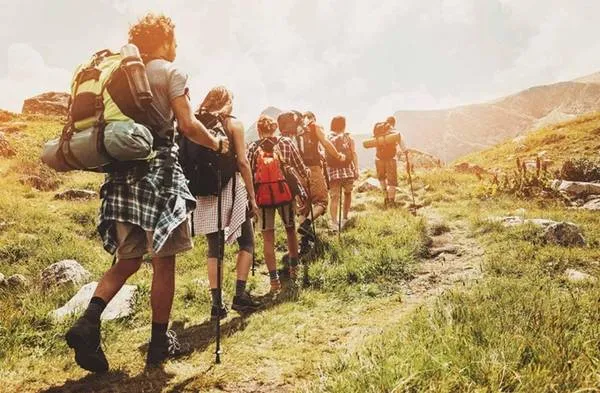
Below are 10 notes on packing a trekking backpack: where to place heavy items, how to keep gear dry and how to keep everything in order.
1. Place the weight of each item in a reasonable position
Heavy objects such as mini gas stoves and food… should stand upright close to the back and the two sides of the backpack. This helps balance the weight for the wearer. However, be careful with objects that are too hard or sharp, because they will stab your back if the backpack does not have a back cushion.
Put foldable, lightweight items such as a raincoat on top, or in a pocket at the top of the backpack if one is available, for quick access. Place the rest of the items you will not need on the way to the camping site, such as sleeping bags and mini gas cylinders, at the bottom. They also act as a cushion to protect the other things in the bag if the backpack is dropped.
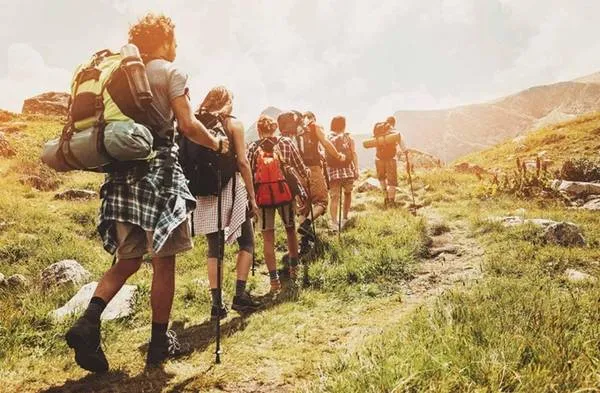
2. Use soft, small objects to fill the gaps between hard tools
This reduces collisions. No one likes the “jingling” sound that comes out while climbing, so it is recommended to wrap cooking utensils, stainless steel and other metal objects in a spare T-shirt or the body of the tent.
3. Arrange frequently used things in an easy-to-find place
Keep sunscreen and medicine tucked in the side of the backpack so you can take them out easily when needed. Clearly classify each item, especially medicine, to avoid confusion in an emergency.
4. Be careful when packing bottles or jars with water
Take a few seconds to check that the bottle cap is tightly closed, to make sure no water is leaking. It is best not to bring a bottle with a spray nozzle. Keep these water bottles away from food.
5. Protect things that cannot get wet, such as phones
Use a plastic bag or waterproof box to wrap them. During the journey, you are likely to wade through streams, rivers and similar places, so the backpack will definitely get wet. A waterproof holster or electronic box is safer than the transparent plastic waterproof bags commonly available on the market.
6. Pack bulky items, such as sleeping bags, in vacuum bags
Vacuum bags are a great way to save space for items that take up a lot of room. You will save a huge amount of space in your backpack if you use them.
7. Pay attention to constant temperature changes
The higher you climb, the lower the temperature. If trekking through lots of snow or in freezing conditions, keep water, backup batteries and mobile phones close to your body, because the battery can drop very quickly in the cold.
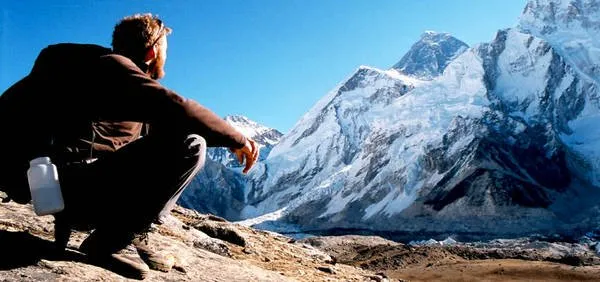
8. Secure items you attach to the outside of the backpack
Side hooks such as glove straps, headbands, trekking sticks, etc. can get entangled in trees or bushes, tearing and dropping items in the backpack.
9. Let everything dry before moving on if you get wet
Clothes and tent fabric will smell very unpleasant when they get wet. Things made from sweat-absorbent materials, such as climbing hats and gloves, should be hung outside when not in use.
10. Rearrange and check your belongings before setting off
Do this at least twice to make sure nothing is missing. It also helps you remember where each item is in the backpack.